
Harvard-Westlake Kutler Center · Junior Summer Fellowship 2026
Movement as Cultural Memory
Investigating the Preservation and Adaptation of Afro-Cuban Dance in the U.S. Diaspora
The project
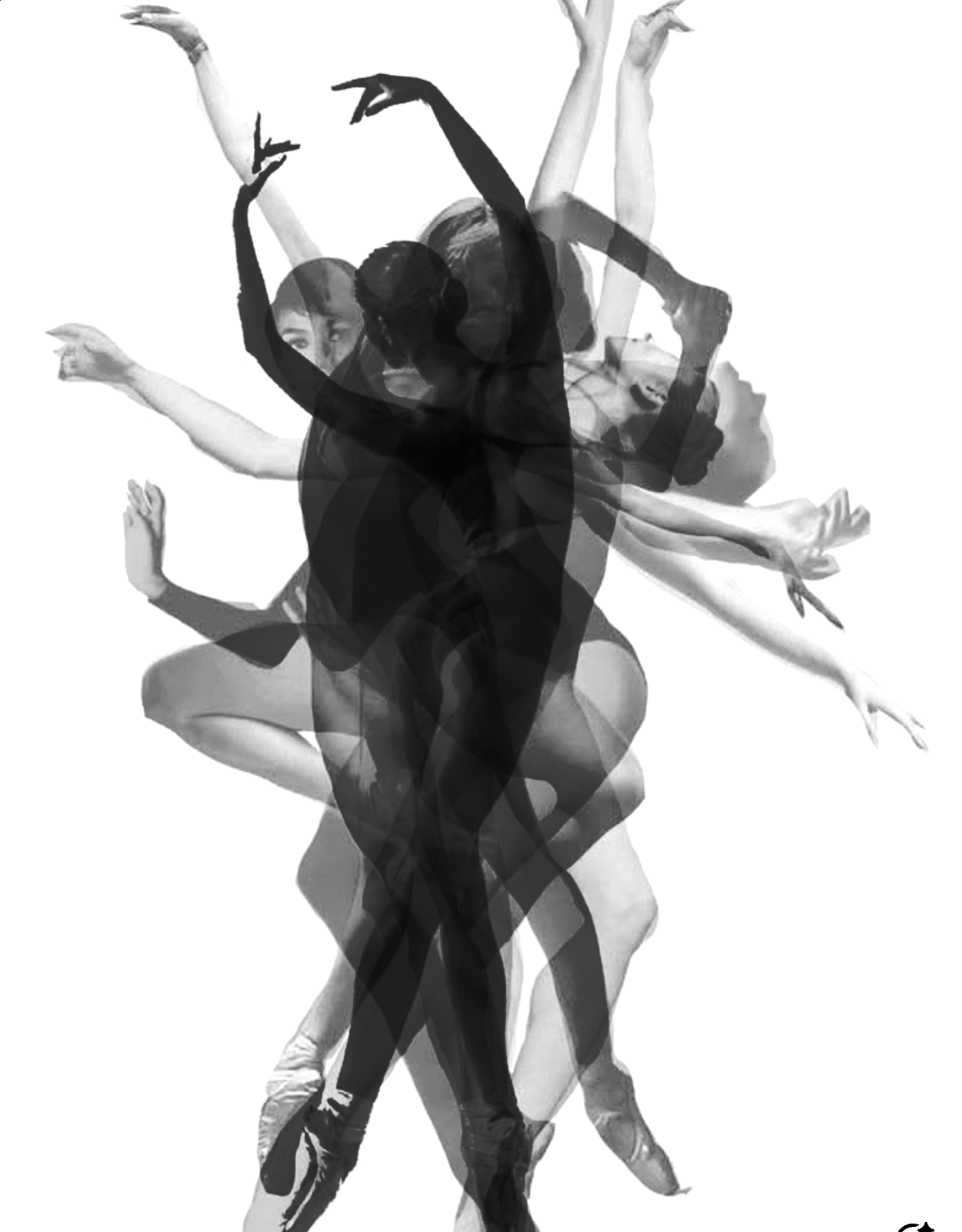
Dance can function as a living archive — history remembered through the body when it could not always be safely written down.
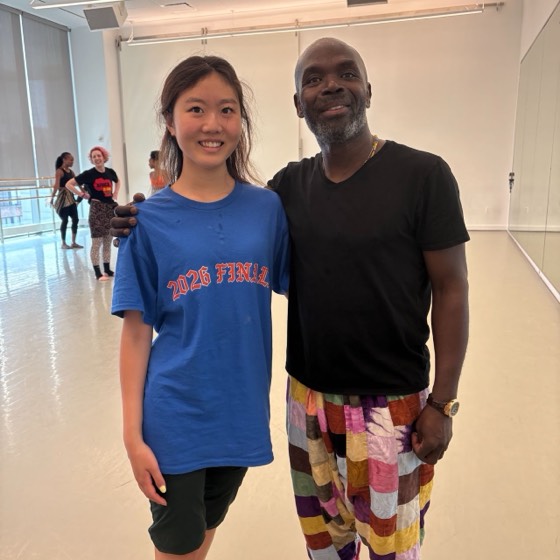
As a classically trained ballet dancer who also studies West African movement, I have become increasingly interested in how dance functions as a vessel of cultural memory across generations and geographies. My interest deepened at the National High School Dance Festival, where a Cuban modern contemporary class introduced me to Afro-Cuban movement vocabulary grounded in rhythm, community, and ancestral memory. That experience shifted my understanding of technique from aesthetic precision to embodied history.
At Harvard-Westlake, dance has shaped both my artistry and my perspective. Under the mentorship of Mr. Schenk and Ms. Queala, I began to see choreography not simply as composition, but as storytelling and responsibility. Movement carries lineage: it holds histories, struggles, and identities. That realization prompted me to ask where the movement I use originates, who it belongs to, and how it can be shared ethically.
I am drawn to Afro-Cuban dance because it represents cultural resilience in motion. Rooted in African traditions and shaped by colonial history and diaspora, it embodies survival, adaptation, and continuity. Studying these forms within the United States allows me to ask how cultural traditions evolve outside their homeland while striving to maintain integrity.
Central research question
How do Afro-Cuban dance communities in the United States preserve cultural memory while adapting traditions to new cultural environments?
Through sustained study of Yoruba/orisha dance, rumba, Cuban modern, and Afro-modern forms, this fellowship investigates how embodied movement functions as a living archive of African diasporic identity — how technique, rhythm, musical structure, and ritual context are taught in diaspora spaces, and how cultural meaning is maintained outside the homeland.
The fellowship journey
Two cities, one living archive
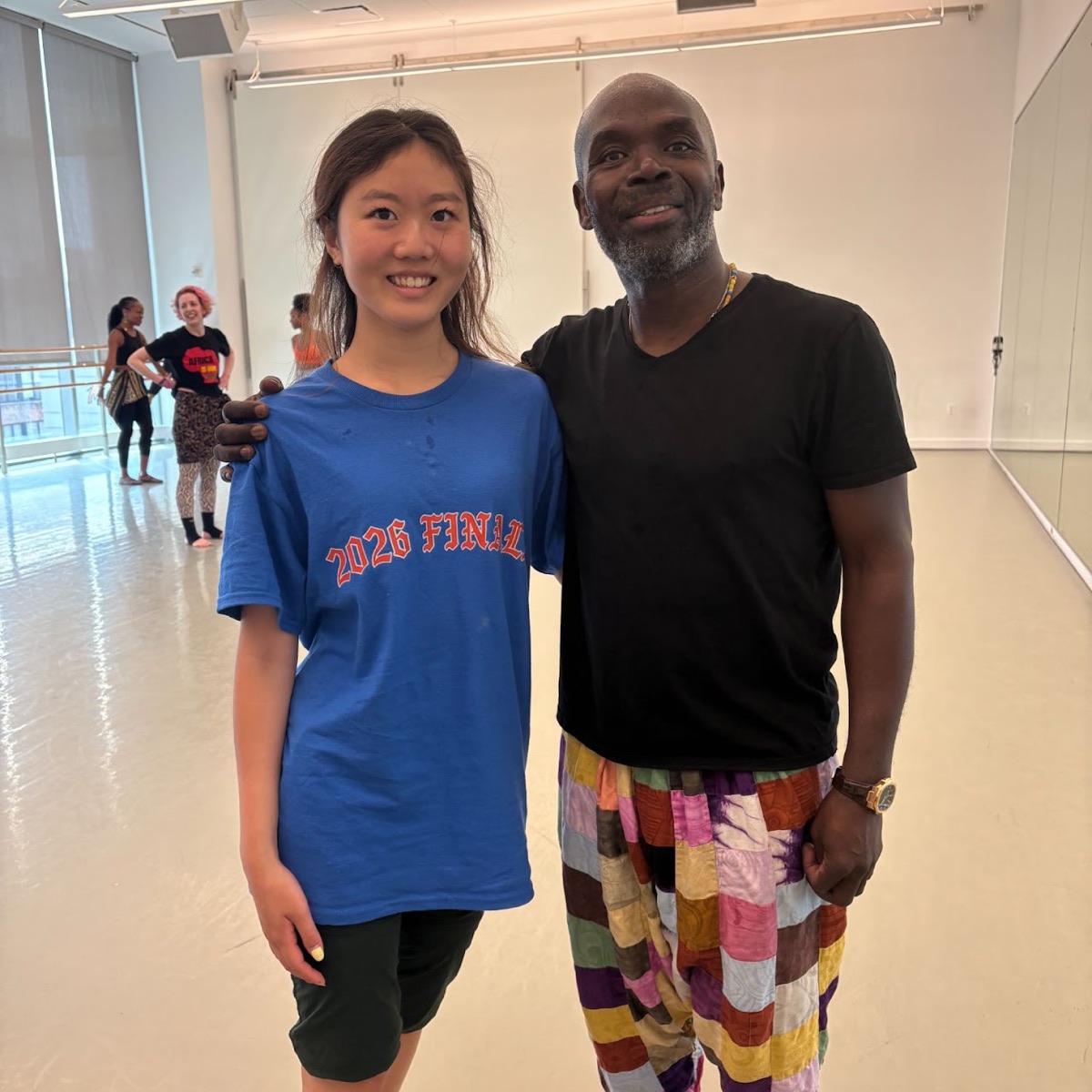
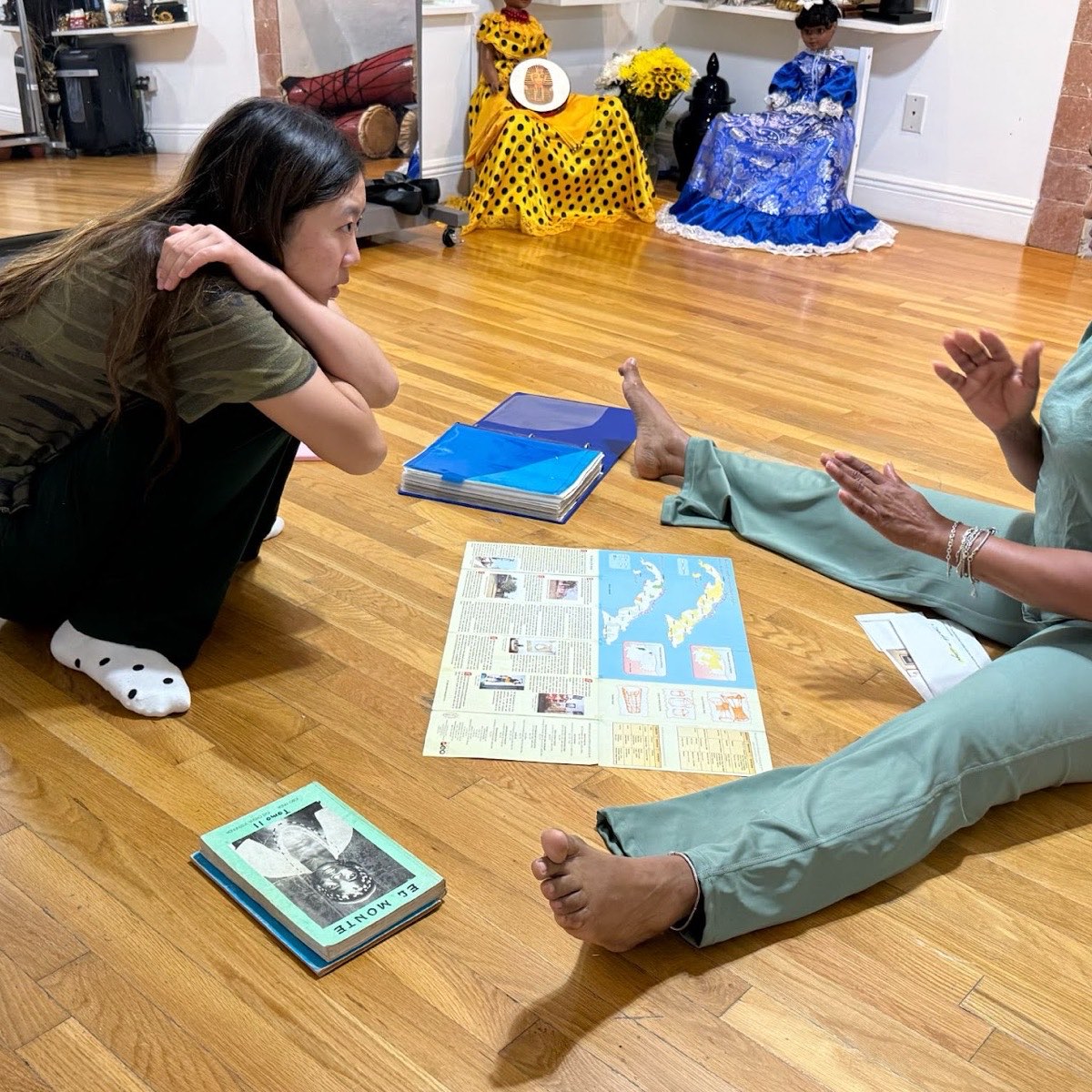
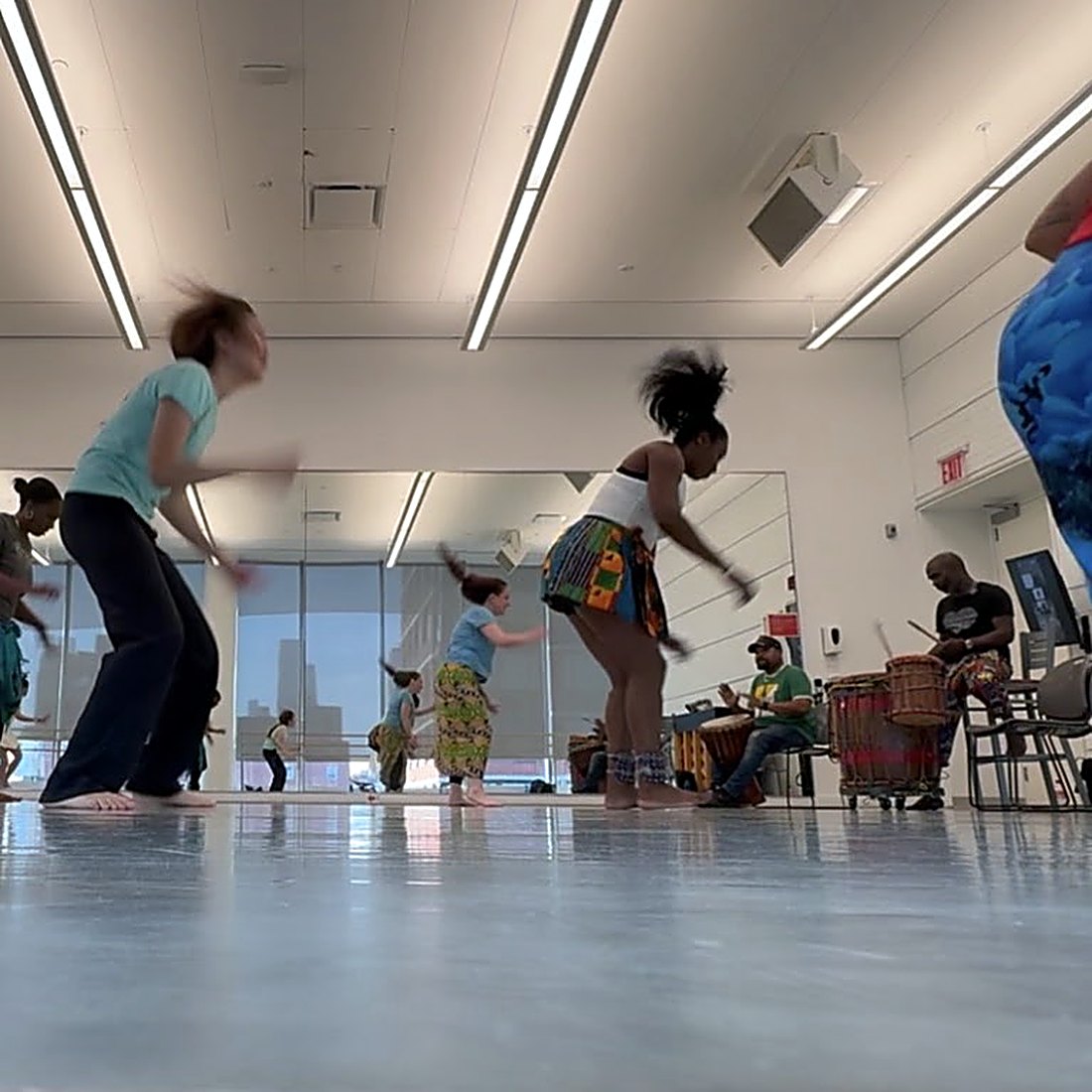
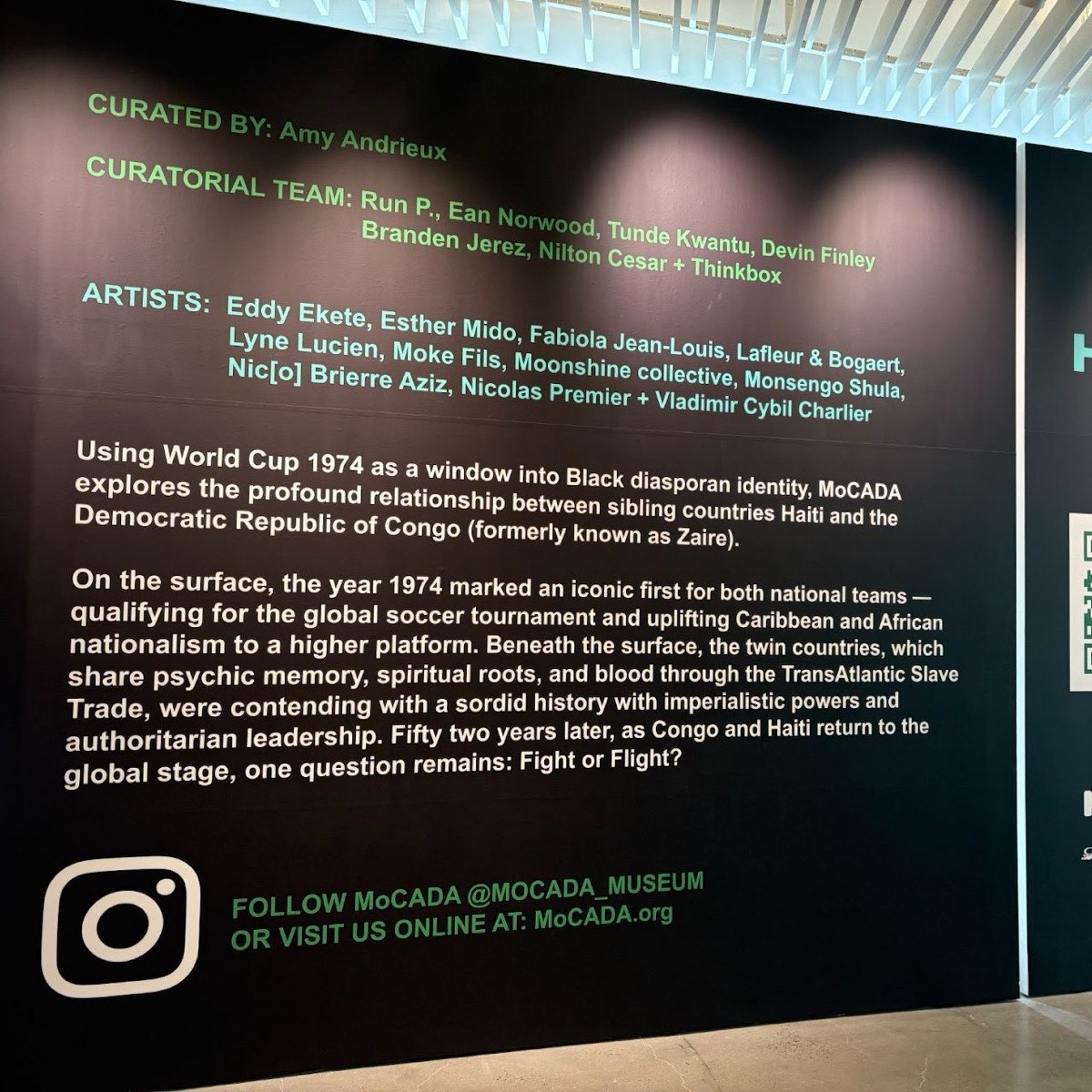
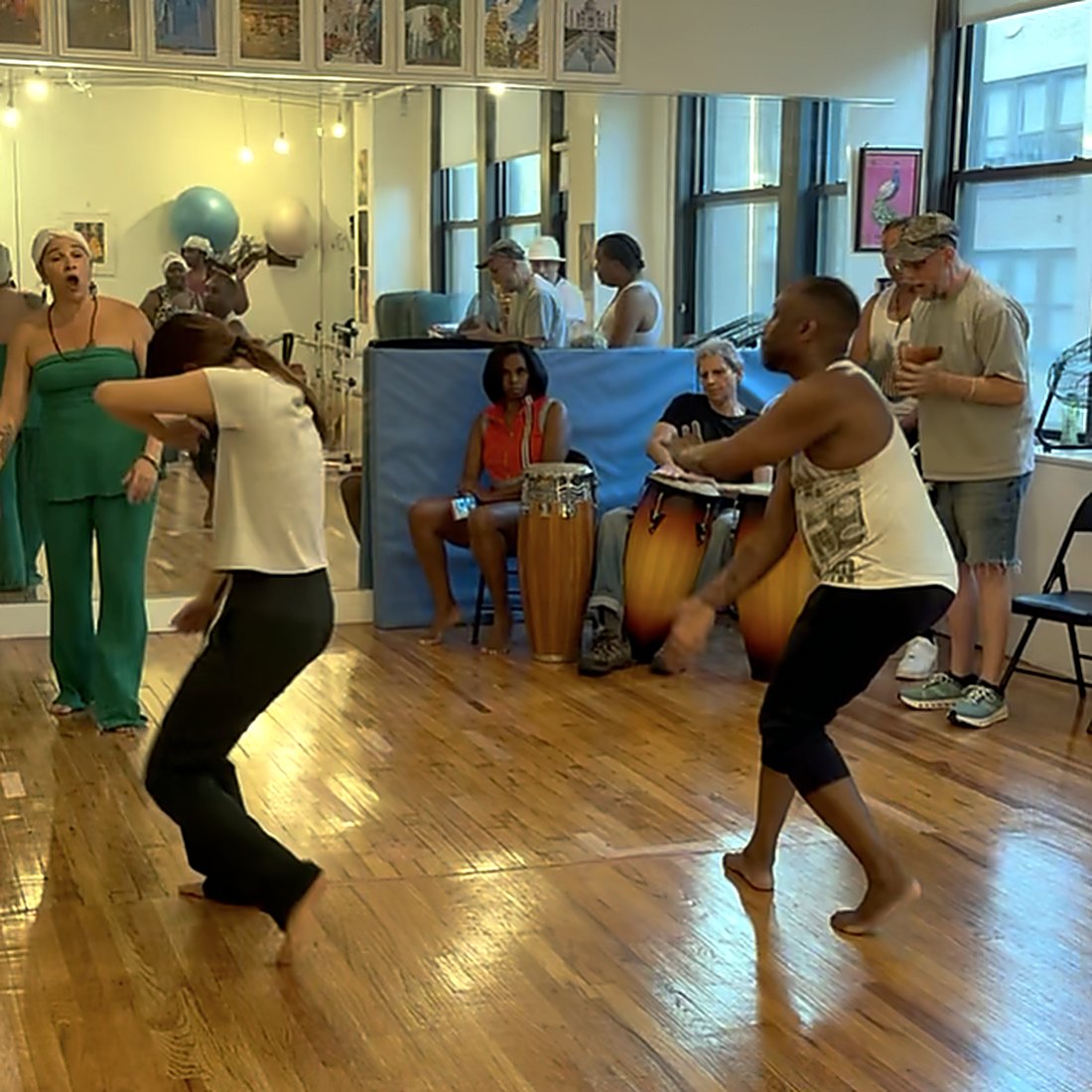
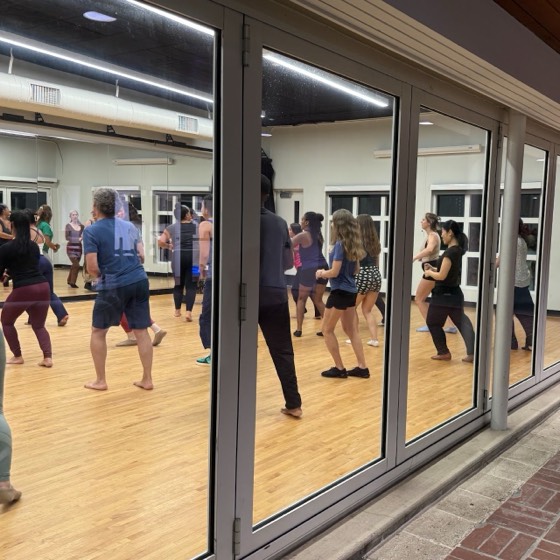
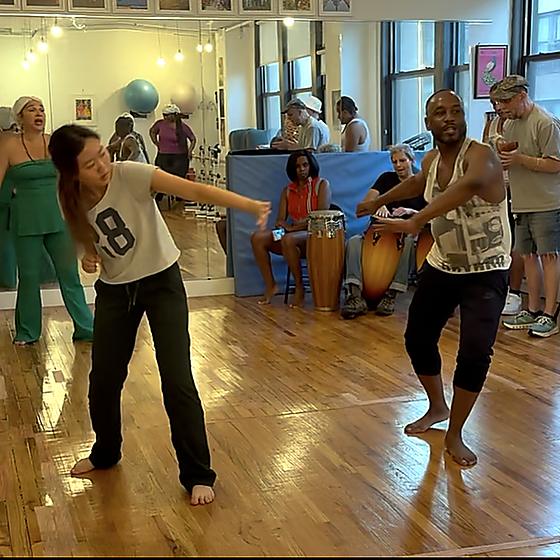
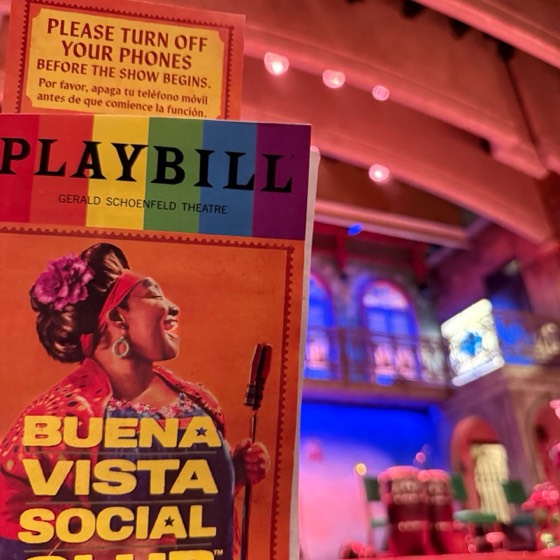
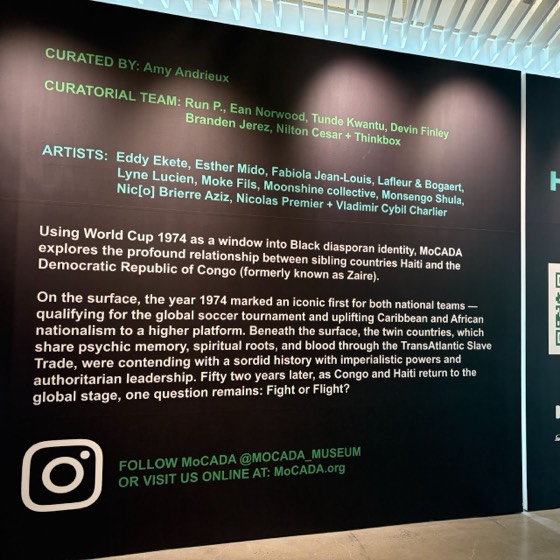
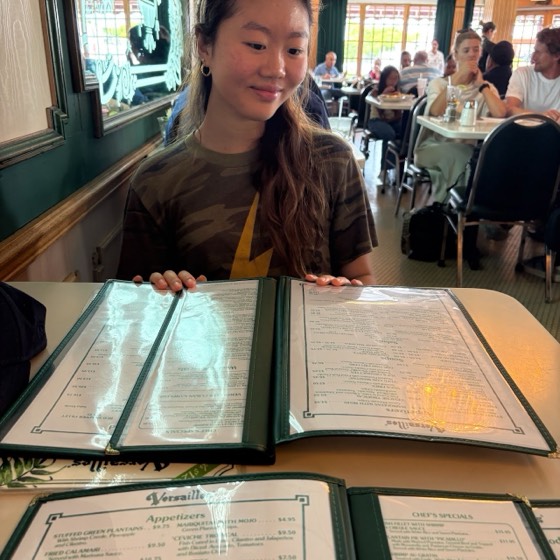
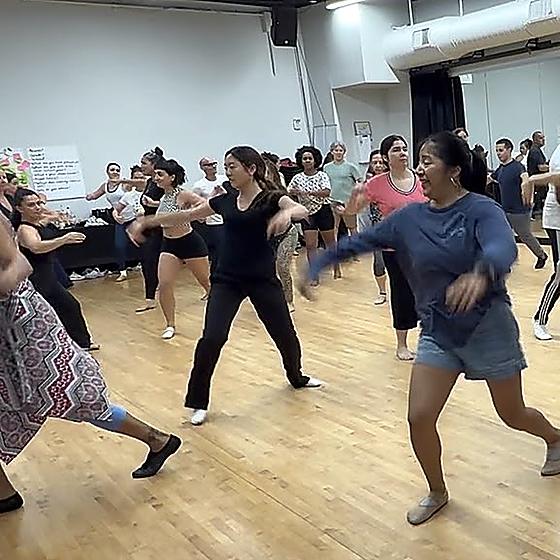
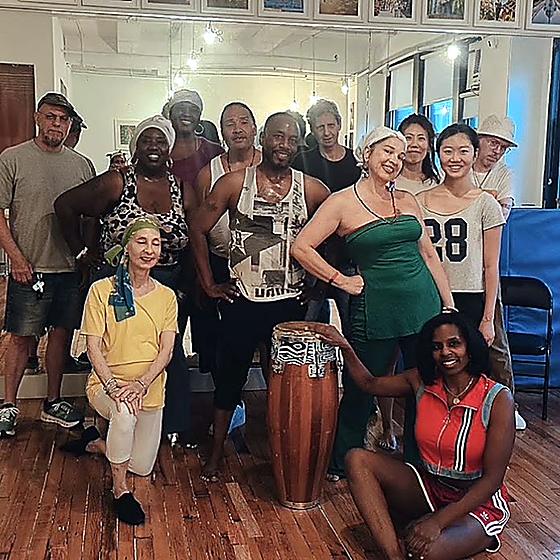
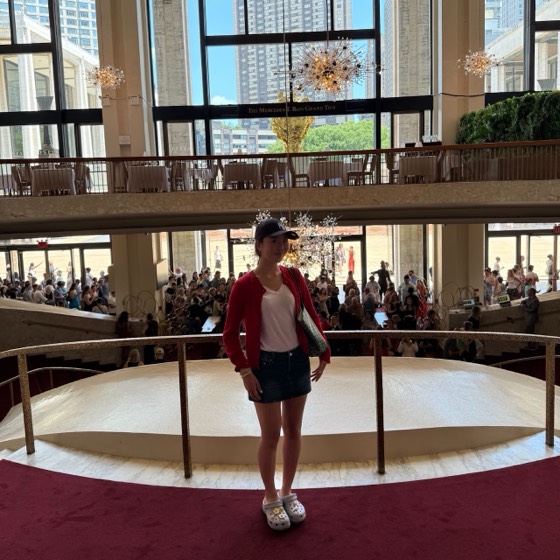
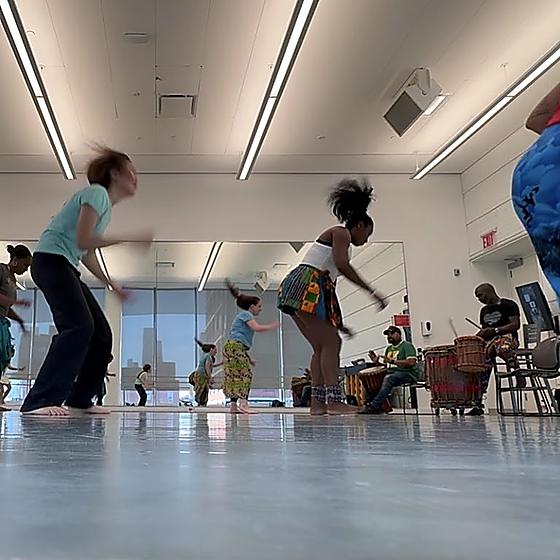
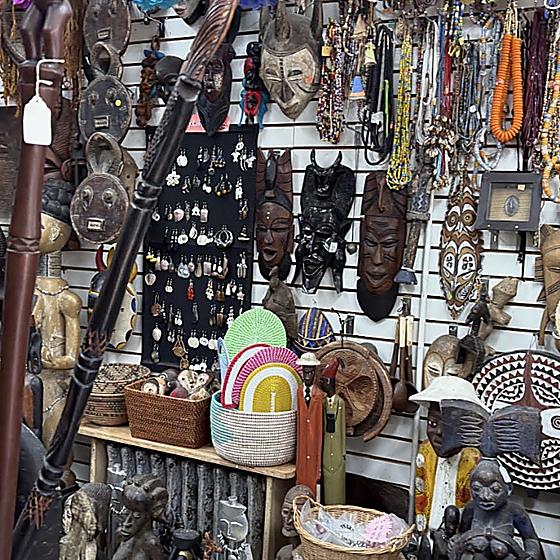
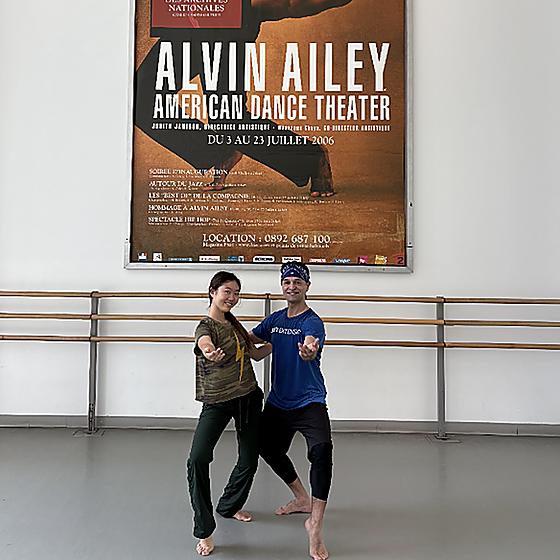
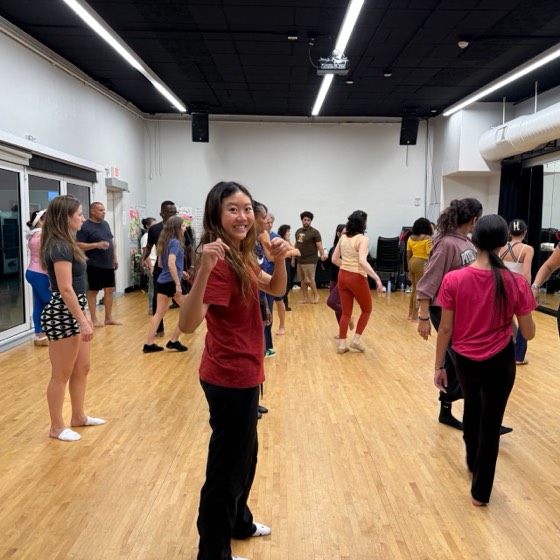
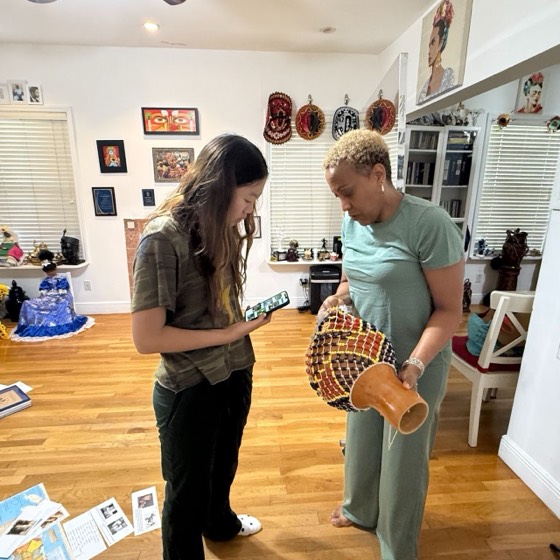
Structured technique training at Ailey Extension, intensive workshops and lectures at the Teranga Conference, museum research in Brooklyn, and evening folkloric classes in Little Havana.
Research themes
Six threads running through the journal
Training Reflections
What the body learns in class: technique, footwork, groundedness, and the humility of being a beginner.
Filter the journal →Movement Analysis
Close readings of steps and styles: Pilón, Molienda de Café, Casino, Makuta, and Mozambique.
Filter the journal →Instructor Interviews
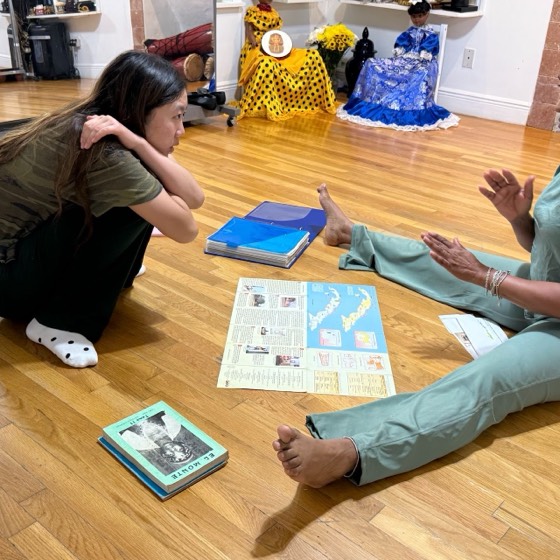
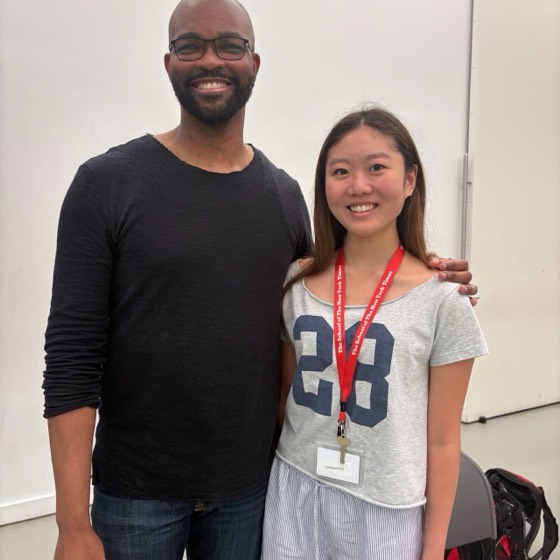
Conversations with teachers and culture-bearers, including a two-hour interview with Marisol Blanco.
Filter the journal →Rhythm & Music
Djembe, dunun, kenkeni, sangban — and the musical dialogue in which dancers answer living drums.
Filter the journal →Diaspora & Cultural Memory
How traditions rooted in Yoruba culture survived the Atlantic crossing and continue to evolve in the U.S.
Filter the journal →Ethics of Cultural Exchange
The responsibilities a choreographer carries when working across cultures: credit, context, and care.
Filter the journal →Key concepts
Recurring ideas in this research
Movement as archive
Dance functions as a living archive — history remembered through the body when it could not always be safely written down.
Cultural preservation
Teachers, communities, and institutions keep steps, songs, and their meanings alive across generations.
Diaspora
Yoruba traditions carried to Cuba, Brazil, and Venezuela through the transatlantic slave trade — preserved, adapted, and renewed far from home.
Embodied knowledge
Cultural knowledge passed body to body: weight, rhythm, gesture, and facial expression all carry meaning.
Rhythm & musical dialogue
Dancers and musicians are not separate — movement answers the drum, and the drum answers back.
Ethical cross-cultural choreography
Sharing movement in ways that are contextualized, credited, and culturally grounded.
The culmination
An original work, and a lesson to bring home
The culmination of the fellowship is an original three-minute choreographic work synthesizing Afro-Cuban vocabulary with my background in classical ballet, contemporary, West African, and Korean dance.
Back at Harvard-Westlake, I will teach the piece to upper- and middle-school dance students through a lecture-demonstration that contextualizes the cultural origins of the movement and explores the ethics of cross-cultural choreography.