
A learner and a guest
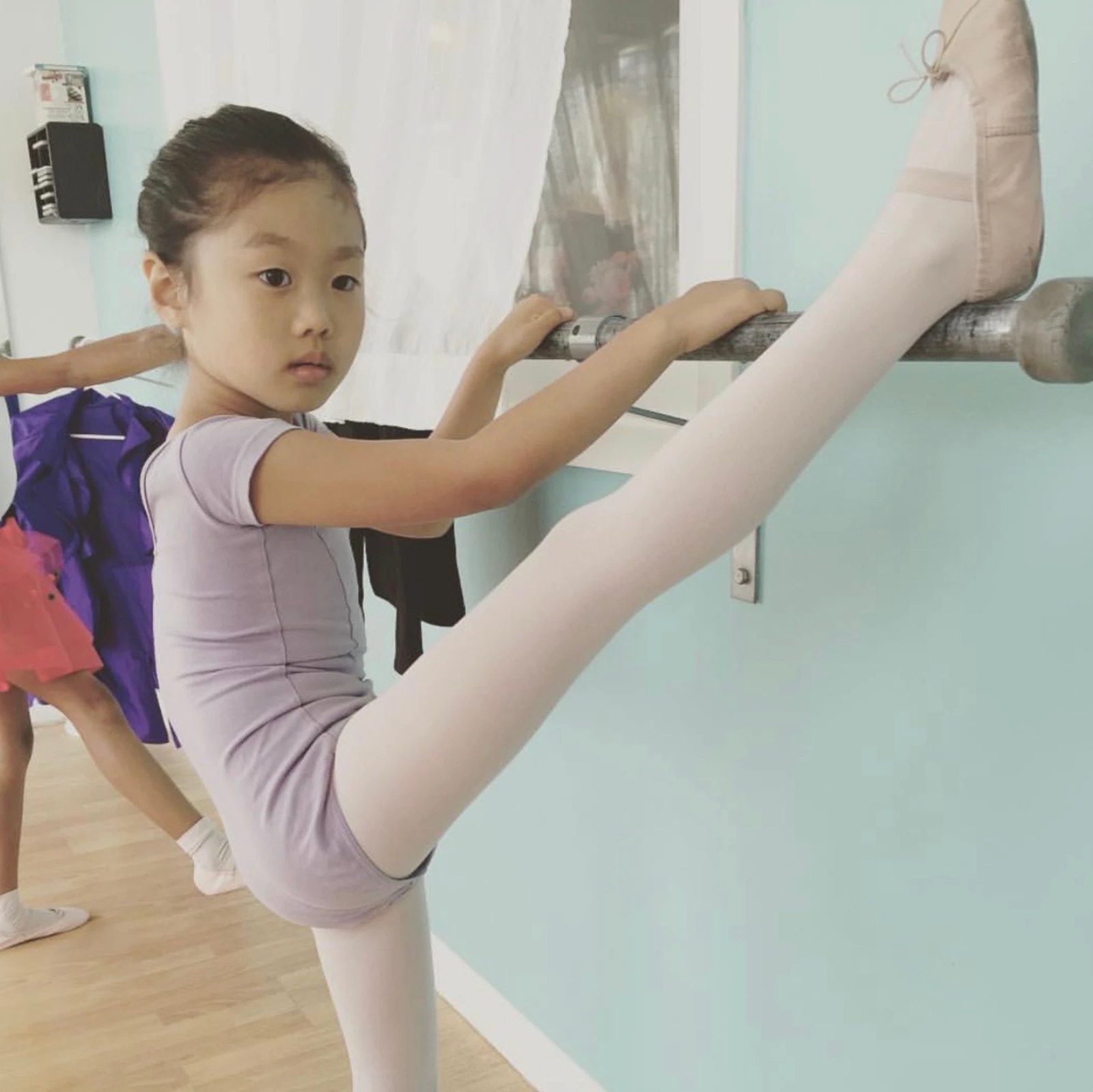
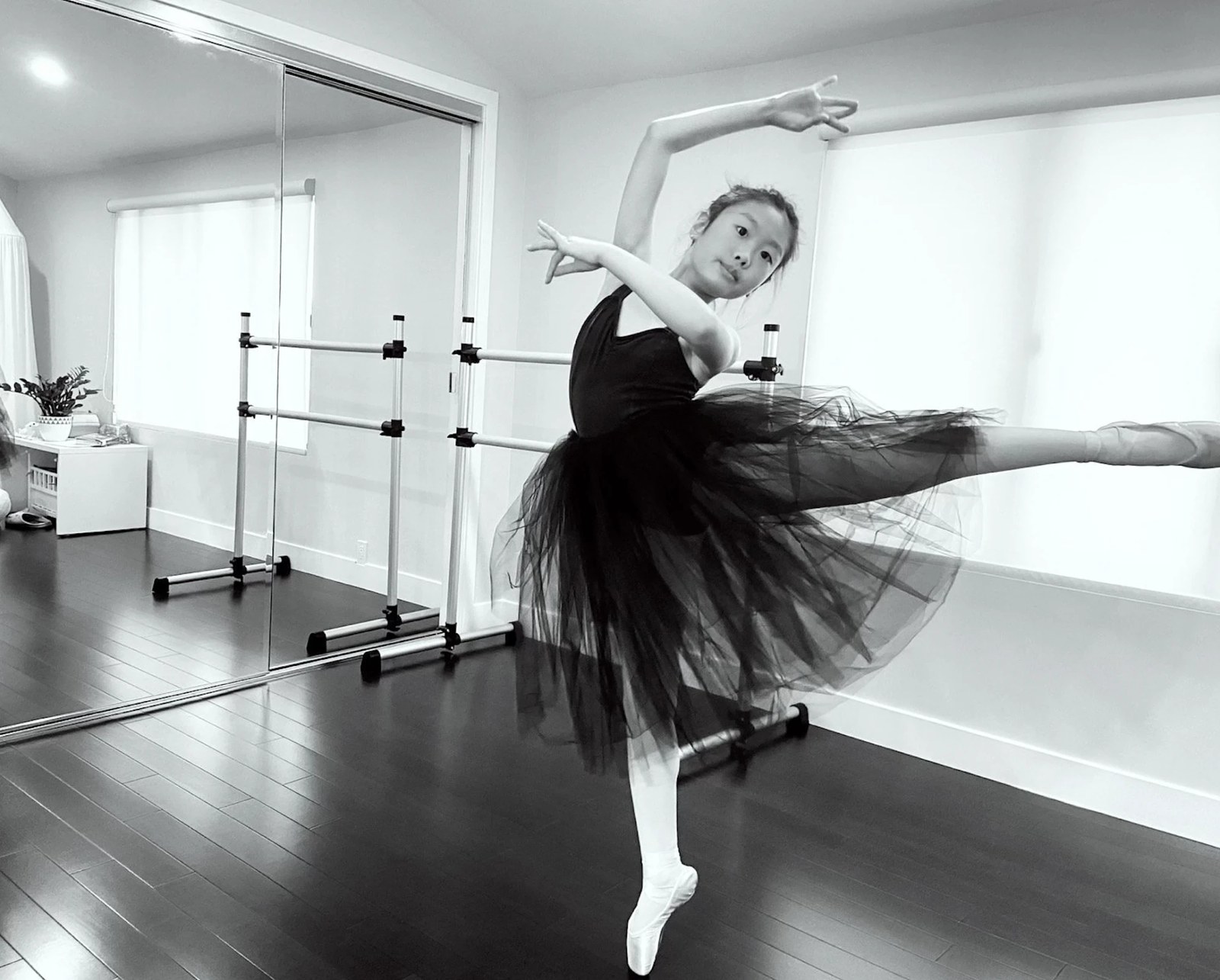
I am a Korean-American student and dancer, and a classically trained ballet dancer who also studies West African movement. I am trilingual, which shapes how I listen in a studio where instruction moves between languages. I came to this project curious about how dance carries cultural memory across generations and geographies.
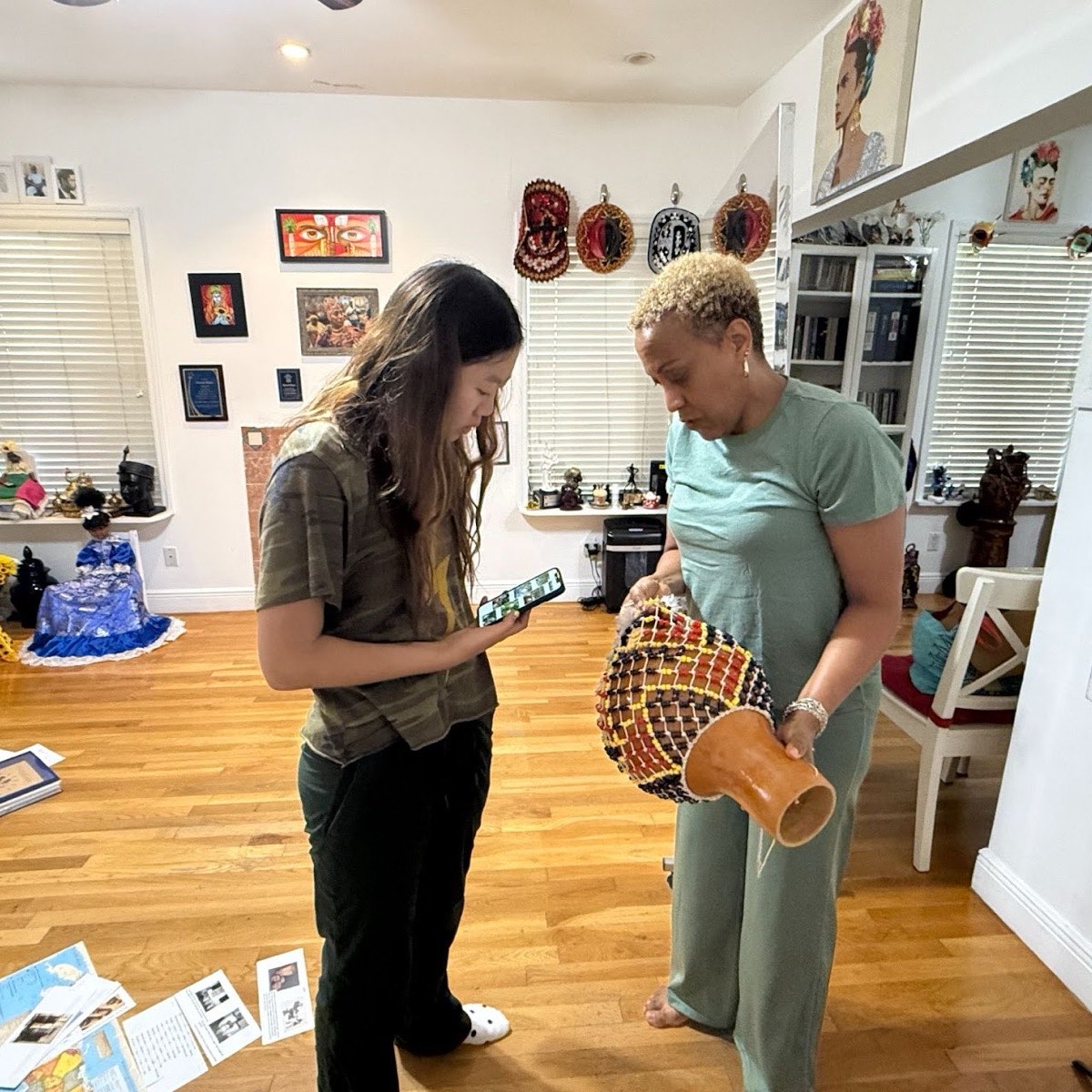
I approach it as a learner and guest, not as an expert representing these traditions. Everything here comes from classes, conversations, and observations in New York City and Miami.
Where the project began
At the National High School Dance Festival, a Cuban modern class introduced me to Afro-Cuban movement grounded in rhythm, community, and ancestral memory. It changed technique from aesthetic precision into embodied history for me.
At Harvard-Westlake, under Mr. Schenk and Ms. Queala, I began seeing choreography as storytelling and responsibility. Movement carries lineage. That raised the questions this fellowship asks: where does the movement I use come from, who does it belong to, and how can it be shared ethically?
Why Afro-Cuban dance
Afro-Cuban dance is cultural resilience in motion. Rooted in African traditions and shaped by colonial history and diaspora, it holds survival, adaptation, and continuity at once. Studying it in the United States lets me ask how a tradition evolves outside its homeland while keeping its integrity.
I aspire to create work that honors its origins, contextualized, credited, and culturally grounded.
What I hope to carry home
I want to come back to Harvard-Westlake able to teach Afro-Cuban-informed movement in a way that is contextualized, credited, and culturally grounded, and to keep approaching cross-cultural choreography with humility and care.
With gratitude
To the Harvard-Westlake Kutler Center for sponsoring this fellowship, and to Marisol Blanco, Maguette Camara, Noibis Licea, Edwin Tolentino, Jinae Suire, Allan Rocero Gitanes, Careitha Davis, the drummers, and every dancer who shared a studio floor with such generosity.